
Under Ancient Lights on the Edge of the Atlantic

Join us as we explore “Navigating by the Night Sky: Exmoor’s History of Celestial Wayfinding,” tracing how shepherds, sailors, drovers, and lighthouse keepers read constellations, tides, and horizons to move safely across moor and water. We will blend practical guidance, historical anecdotes, and present-day stargazing tips, inviting you to rediscover confidence under starlight and protect the darkness that made such journeys possible for centuries.

Skies Above the Moor: Darkness, Horizon, and Clarity

Exmoor’s high ridges, sweeping sea views, and scarce artificial light create conditions where stars truly rule the night. From Dunkery Beacon to Holdstone Down, broad horizons reveal rising and setting patterns like a slow, dependable compass. This clarity nurtured confidence, helping travelers judge direction, distance, and time from the steady arcs of familiar stars, while the moor’s textured silhouettes offered just enough silhouette to confirm a chosen bearing.

Why Darkness Guided Foot and Hoof

Drovers once moved cattle between sheltered combes and coastal markets, stepping onto open ground after dusk when the air cooled and paths quieted. True darkness sharpened their sight of Polaris and the bright asterisms, enabling simple bearings between ridges. A glint of starlight on wet stone, the sound of a stream, and a memory of constellations rising over a known tor often proved more trustworthy than a fading lantern glow.

Ancient Stones and Speculative Alignments

Bronze Age barrows and waymarkers punctuate Exmoor’s skyline, standing where views stretch cleanly to sea and sky. While strict astronomical alignments remain debated, their placement on commanding spurs made them superb reference points by day, then recognizable by night against starry backdrops. Travelers shared stories linking stones, notches, and distant beacons, stitching landmarks and star paths into living memory that guided feet and decisions when clouds parted at last.

Seasonal Sky Rhythms Over These Hills

Winter’s long nights revealed Orion and the glittering Pleiades early in the evening, while summer brought the arcing band of the Milky Way and the bold Summer Triangle echoing down valley lines. Such seasonal patterns became a quiet rural calendar, reminding workers when to expect mists, moonlit tides, or later twilights. Predictable celestial timing complemented local weather lore, aligning journeys with safer river fords and more forgiving track conditions.

From Lodestar to Instrument: Practical Tools at Night

Before precision devices spread inland, people here learned sturdy rules by eye and memory. Mariners favored compass, almanac, and nocturnal wheels; onshore, simple bearings from Polaris and bright stars added confidence to known tracks. As sextants and better charts improved coastal safety, land travelers absorbed maritime habits indirectly, cross-checking stars with ridgelines, stream sounds, and the angle of familiar valleys that pointed toward harbors and sheltered inns.

Polaris and a Rule of Thumb

Polaris sits near true north, and its height above the horizon roughly matches latitude. Coastal folk and itinerant traders learned that a steady glance at Polaris fixed direction when paths forked. While few inland walkers carried sextants, a practiced eye comparing Polaris to the height of a known hill shoulder gave reassurance. Confidence grew from repetition: night after night, the star’s persistent steadiness made choices calmer and safer.

Nocturnal Wheels, Tide Tables, and the Channel

In the Bristol Channel’s restless waters, timekeeping mattered. Simple nocturnal devices estimated night hours from the positions of Polaris and nearby stars, while tide tables predicted dramatic rises and falls. Fishermen and pilots synchronized moonlight with tidal streams, then carried that discipline ashore. Even those without instruments felt the rhythm: moonlit sands at Porlock Weir, a certain current’s whisper near Lynmouth, and a star crossing a ridge right on cue.

Sextants, Backstaves, and Memory

Professional mariners refined angles with sextants and earlier backstaves, skills that influenced lighthouse routines and coastal communities. Yet memory remained the ultimate tool inland. People mapped star paths onto mental landscapes: a bright star aligned with a boundary bank, Cassiopeia hovering over a gate, Vega grazing a saddle between hills. Instruments gave precision at sea, but on the moor, attentive pattern-keeping transformed starlight into a familiar, human-scale guide.

Paths, Ports, and Human Voices

History here is best heard through footsteps and whispers carried on nocturnal air. Drovers recited constellations like prayer, sailors sang about lodestars that brought them home, and lighthouse keepers tracked reliable markers to steady their long watches. These voices shaped a culture of night movement, where kindness at an inn door and a practiced glance at the sky helped strangers become neighbors beneath one wide, glittering ceiling.

The Drover and the Seven Sisters

An old tale speaks of a drover crossing near Tarr Steps as the Pleiades, the Seven Sisters, climbed over the trees. He timed steeper slopes by their ascent, pausing when the cluster hovered above a boundary wall. Cattle settled as his dog watched Orion’s belt clear the ridge, and with each known alignment, his pulse eased. By the time the cluster crowned the lane, hoof and boot found certain ground.

Keeper’s Triangle over Foreland

On crisp summer nights, a keeper at the Foreland light sometimes stepped outside and found the Summer Triangle straddling sea and moor. Vega pointed toward a familiar bearing, while Deneb seemed to float above the darker water. If a cloud bank hid the horizon, those three stars restored the scene in his mind. Returning to his post, he noted the hour, the wind, and a sky that kept its promises.

Porlock Weir and the Moonlit Turn

Fisherfolk remembered when a waning moon opened a thin road of silver across the channel, revealing treacherous shallows just enough to judge their moment. A named star over the headland set the cue for turning home. Back ashore, families repeated the sequence around fires: watch the moon’s angle, trust the current’s texture, check that bright marker above the cliff. Practice stitched the night into a predictable, compassionate teacher.

The Plough and North on Open Moor

When hedges vanish into heather and paths run faint, the Plough becomes a friend you can teach a child. Draw an imaginary line through the two outer bowl stars to Polaris, and you own a fixed north. Travelers matched that direction to a ridge’s curve, then confirmed with a distant stream’s murmur. Simple, repeatable, and forgiving, this habit worked whether boots were wet, lanterns empty, or clouds teased the horizon.

Orion as an Autumn Hourglass

Orion’s rising timetable offered a seasonal clock. As the constellation cleared the hills earlier each evening, farmers and walkers alike adjusted tasks, anticipating frost, slick stones, and shorter routes. The belt aligned with known track angles, while Betelgeuse’s warm tint and Rigel’s ice-blue steadied recognition. Even in gusty weather, those contrasts shone through thin veils of cloud, reminding everyone that time and direction can share one elegant canvas overhead.

The Pleiades and Rural Planning

Small yet striking, the Pleiades cluster anchored countless practical decisions. When the cluster perched over a familiar gate or barn roof, people judged the comfortable window for finishing chores or setting out. Its seasonal climb and plunge framed livestock routines, evening distances, and cautious choices about stream crossings. For nervous travelers, that tiny swarm felt like companions, whispering that patience, preparation, and well-timed steps turned darkness into safe, meaningful progress.

Clouded Ridges and Sensible Redundancy

When clouds swallowed Polaris, people relied on tactile cues: a ridge that falls gently to the right, a stream whose song grows higher toward a ford, or a gate’s peculiar latch. They cached bearings in pairs, never trusting a single method. A mental checklist—star sign, land shape, sound, and safe fallback—kept anxiety manageable. If two cues conflicted, rest and reassess. Fatigue often bends perceptions before the sky truly changes.

Legends That Teach Caution

Stories of ghostly lights across the moor were less about fear and more about wisdom. Will-o’-the-wisp tales reminded listeners not to chase fickle glows in boggy ground. Instead, people learned to cross-check stars with sturdier signals: wind over gorse, distant surf, or a known slope’s consistent gradient. Folklore preserved practical skepticism, encouraging wanderers to slow down, question sudden certainties, and insist on confirmations before committing to a night path.

Sea, Tide, and Star Agreements

The wisest coastal travelers treated navigation as a contract among elements. A star set the line, the tide set the timing, and the wind set the margin for error. If the tide roared against expectation, they deferred to water’s authority. If the wind leaned too hard, they shortened routes. By seeking agreement among sky, sea, and land, they built resilience into choices, turning fragile confidence into repeatable, teachable craft.

When the Sky Misleads: Hazards and Safeguards

No guide is perfect. Sea mists can hide horizons, ice crystals mimic halos, and moorland fog muffles the steady cues of water and wind. Veteran travelers layered strategies: memorize the next two shelter points, count paces between distinctive stones, and treat lanterns as backup rather than primary guidance. They respected the sky’s authority yet carried humility, understanding that a turn back home is sometimes the bravest star-led choice.

A Living Heritage: Festivals, Learning, and Stewardship

Exmoor’s designation as an International Dark Sky Reserve revitalized old skills by inviting new eyes. Rangers, astronomers, and locals host autumn festivals, night walks, and family sessions where constellations become practical companions again. Red torches replace bright beams; smartphones learn humility. Protecting darkness means shielding lights, checking windows, and praising the beauty of star-led travel. Share your experiences, ask questions, and help keep this luminous inheritance brighter by keeping nights darker.

Plan Your First Star-Led Walk Safely

Choose a short, familiar loop with clear escape points, and scout it by daylight first. Pack a paper map, a compass, and a small red-light torch. Dress for wind over open ground. As night falls, find the Plough, locate Polaris, and set an easy bearing. Pause often to absorb shapes and sounds. Keep your phone as a backup, not a crutch, and promise yourself that turning back remains a wise success.

Family Nights that Spark Curiosity

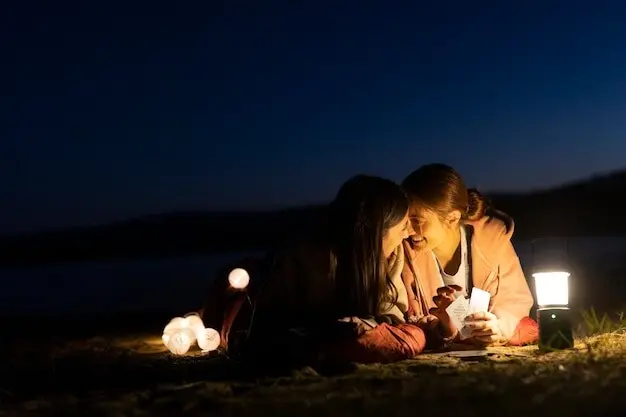
Children delight in naming bright stars, and Exmoor’s big sky offers perfect introductions. Try the Summer Triangle in warm months or Orion in winter, weaving gentle stories that connect shapes to safe, nearby landmarks. Pack blankets, warm drinks, and a simple plan to point, ask, and listen. Questions open naturally under starlight, and patience grows. A single shared discovery—like recognizing Cassiopeia’s W—can transform nervous darkness into proud, returning wonder.

Mapping Bearings: From Moor Tracks to Modern Apps
Old habits blend well with new tools if we keep priorities clear. Paper maps and compasses anchor judgment; stars test assumptions; apps and satellites add convenience with humility. Align a map by Polaris when breezes toy with compass needles, and use red-light screens to protect night vision. Record bearings you trust, then compare with digital traces later. Let technology confirm good instincts rather than replace the delight of practiced seeing.
Piralumatelizentoravo
Privacy Overview

This website uses cookies so that we can provide you with the best user experience possible. Cookie information is stored in your browser and performs functions such as recognising you when you return to our website and helping our team to understand which sections of the website you find most interesting and useful.