



Perseids: Summer’s Reliable Crowd-Pleasers
Aim for the pre-dawn hours around their mid-August peak, reclining so your field of view includes Perseus yet spans the northern and northeastern sky. Even when rates dip, Exmoor’s faint star backdrop amplifies every streak’s grace. Bring a light blanket, pause conversations, and savor the hush between bursts. A ranger once recalled counting thirty in half an hour by Haddon Hill, punctuated by owls and distant surf.
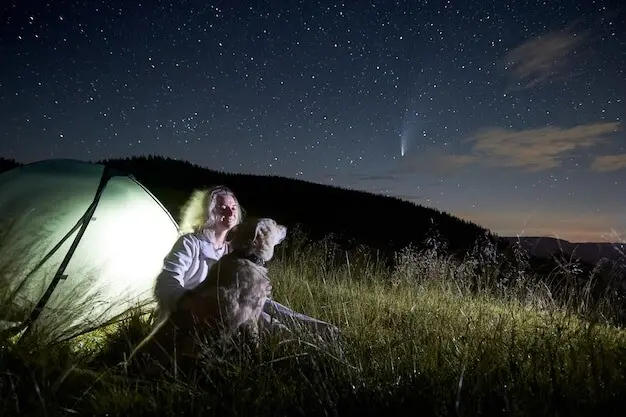
Geminids: Winter Fire Over Quiet Heather
Geminids reward the hardy with bright, often color-tinted meteors that can appear throughout the night near mid-December. Cold, stable air increases sharpness, making Exmoor’s horizons feel wider. Use layered clothing, insulated seating, and hot tea rituals to stretch your session. Note colors—greens, blues, and warm oranges whisper clues about composition. Share sketches afterward; the tiny details you write will help next year’s watchers choose the best hours.

Quadrantids: Brief, Intense, and Worth the Alarm
The Quadrantids surge sharply in early January, often with a narrow peak before dawn. Commit to a focused two-hour window, accepting that a brisk breeze might accompany clarity. Position yourself at Dunkery Beacon for vast sky or choose a sheltered hollow nearby. Even a handful of intense, needle-like streaks can feel triumphant. Invite a friend, split snacks, and cheer each bright tracer as if it were a rare visiting comet.